Free shipping over $35

Free shipping over $35

Search

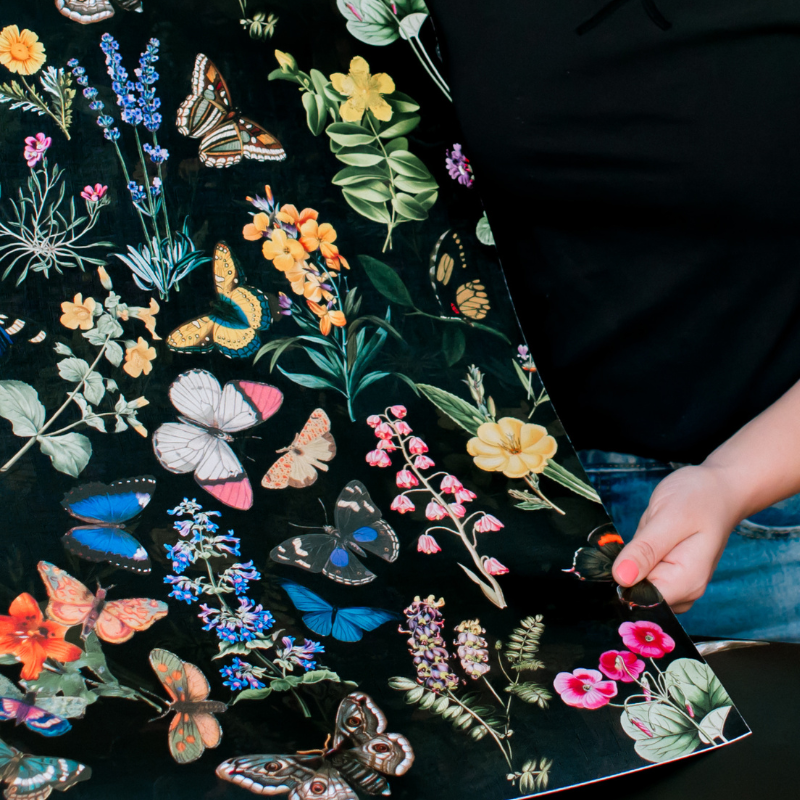
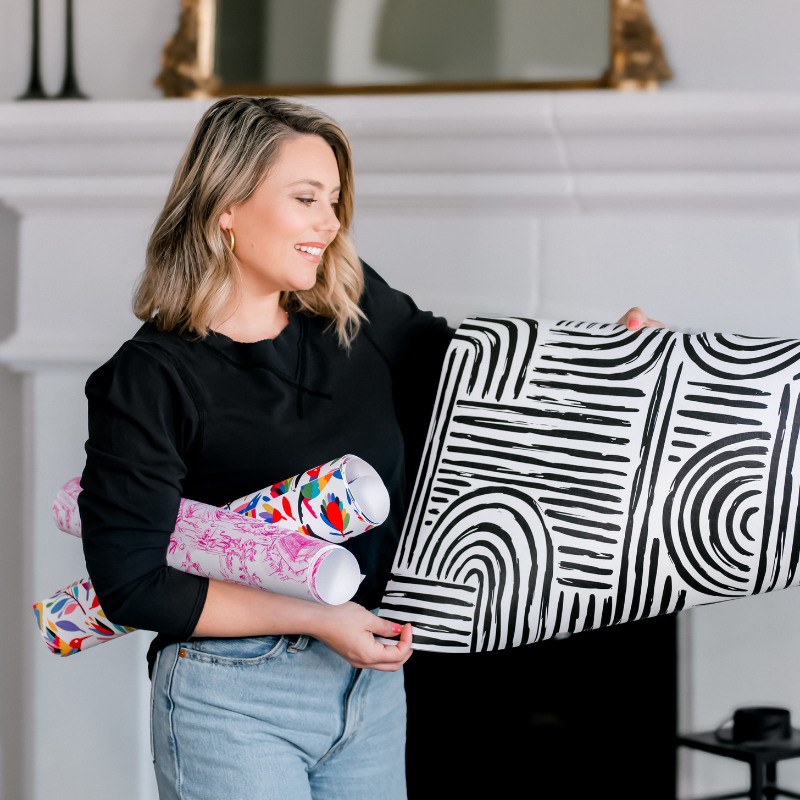
Bathroom wallpaper is making a serious comeback. Interior designers say it's one of the highest-impact updates you can make to a bathroom, and we have to agree. Powder rooms and guest baths are great rooms to experiment with fun patterns, and wallpaper in primary bathrooms adds a charm that paint just can’t touch. Wallpaper can totally transform a space without the commitment of tile and grout.

If you're wondering how to install bathroom wallpaper yourself, you're in the right place.

In this guide, the wallpaper experts here at Funky Paper Co. will walk you through everything: which materials hold up in humidity, what surfaces to skip, and how to hang each panel like a pro. No contractor required.

Bathroom wallpaper is making a serious comeback. Interior designers say it's one of the highest-impact updates you can make to a bathroom, and we have to agree. Powder rooms and guest baths are great rooms to experiment with fun patterns, and wallpaper in primary bathrooms adds a charm that paint just can’t touch. Wallpaper can totally transform a space without the commitment of tile and grout.

If you're wondering how to install bathroom wallpaper yourself, you're in the right place.

In this guide, the wallpaper experts here at Funky Paper Co. will walk you through everything: which materials hold up in humidity, what surfaces to skip, and how to hang each panel like a pro. No contractor required.

Before You Grab a Squeegee

Before You Grab a Squeegee

Bathrooms aren't like other rooms. Extra steam and moisture mean you need to think through a few things before you order or install. Here's what to know.

Bathrooms aren't like other rooms. Extra steam and moisture mean you need to think through a few things before you order or install. Here's what to know.

Which Wallpaper Material Should You Use In A Bathroom?
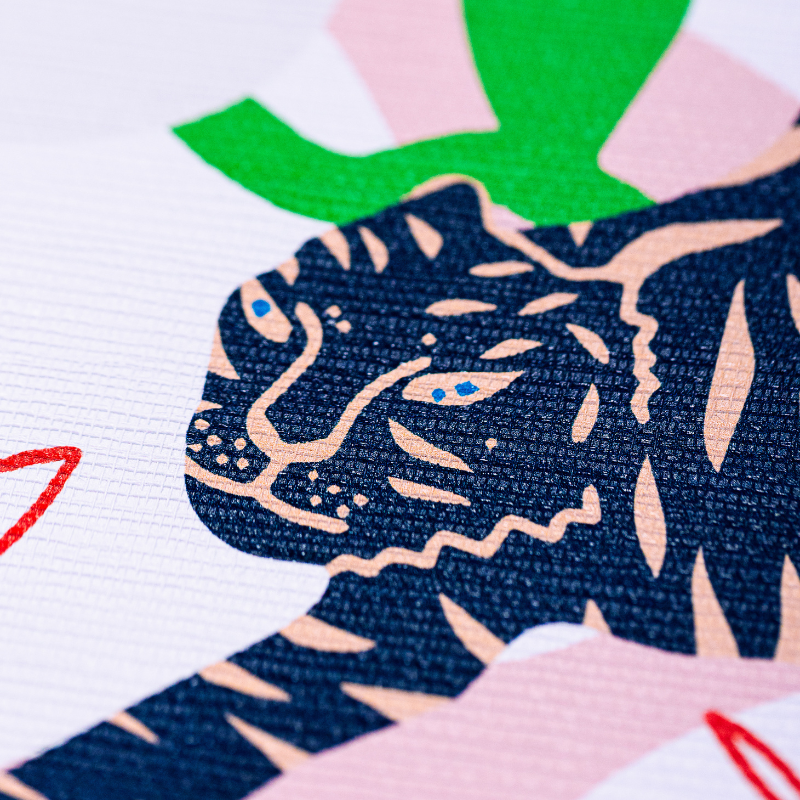
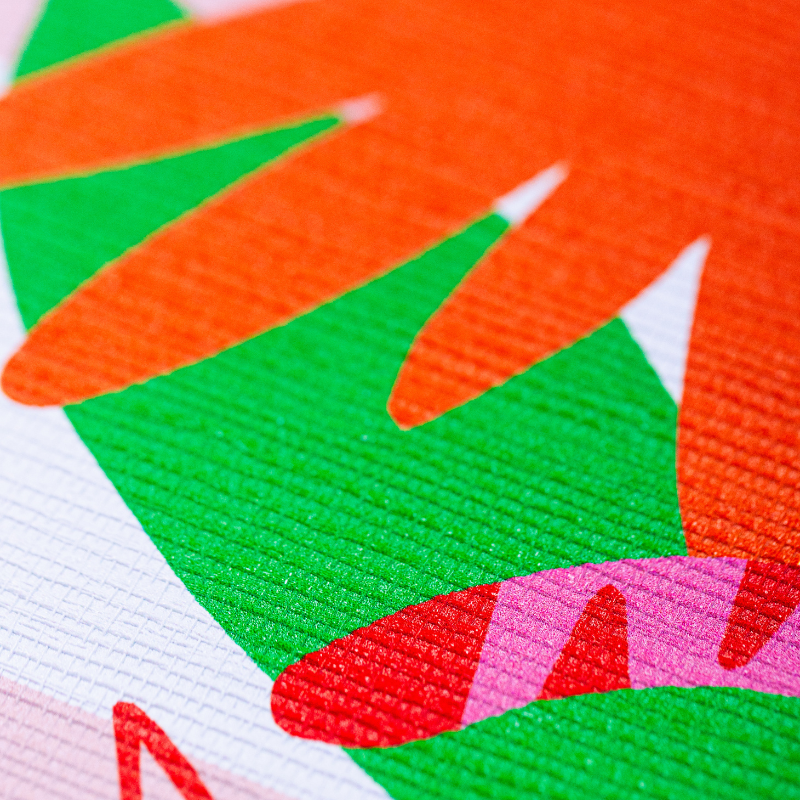
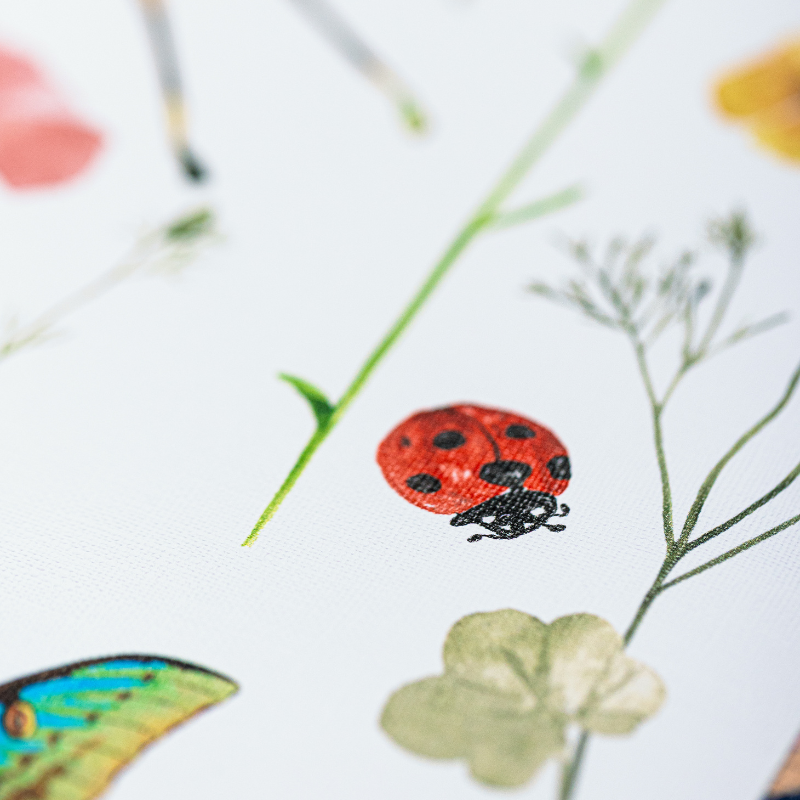
For most bathrooms, peel-and-stick canvas is the easiest and most popular choice. It's moisture-resistant, removable and DIY-friendly. For very steamy spaces with minimal ventilation, traditional matte or linen wallpaper (both installed with paste) are the most durable options. Real grasscloth is a hard no for most bathrooms. Faux grasscloth, on the other hand, is completely bathroom-safe.

Here's a quick breakdown:

  • Peel-and-stick canvas (self-adhesive): Moisture-resistant and renter-friendly. The go-to for many bathrooms. In very steamy spaces, the self-adhesive can struggle, so consider a paste option if your bathroom fogs up with every shower.
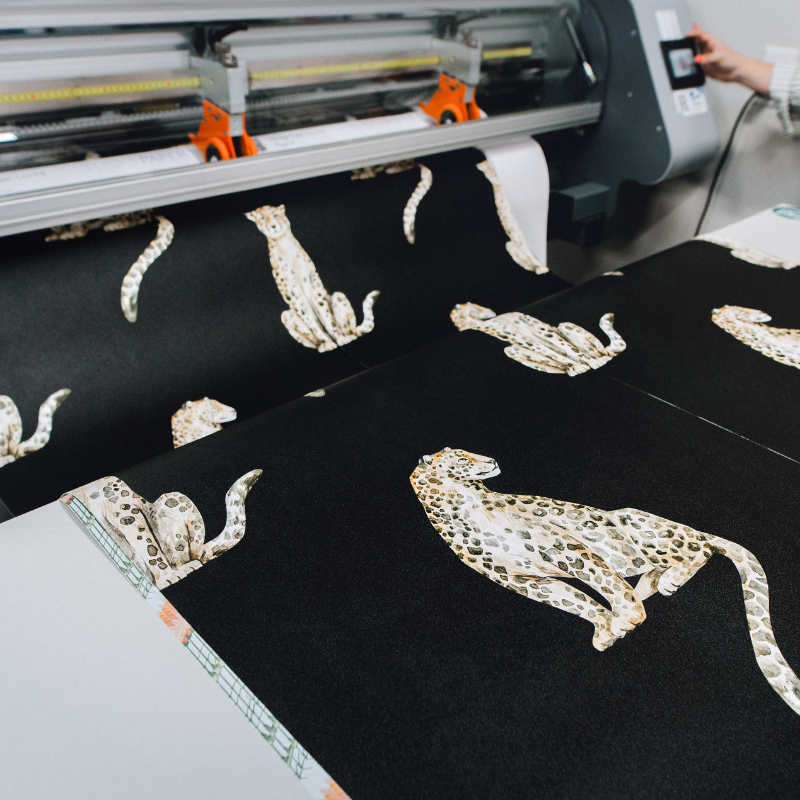
  • Traditional matte (unpasted): Smooth, flat finish with a nonwoven backing. The most durable pick for high-traffic bathrooms and steamy spaces.
  • Linen (unpasted): Soft, fabric-like texture with a water-resistant, wipeable finish. A great option when you want warmth and texture without any moisture concerns.
  • Faux grasscloth (unpasted): All the depth and warmth of woven grasscloth, without the humidity hang-ups of the real stuff. Totally bathroom-safe.
  • Real grasscloth: Skip it. Natural fibers and humidity are a bad combination. Real grasscloth absorbs moisture, warps and stains in steamy environments. It's gorgeous in other parts of the home, but it's not cut out for bathrooms.

Not sure which material is right for you? Compare our materials to find your fit.

Avoid High-Splash Zones
Steer clear of wallpapering directly behind showers, tubs or sinks unless you're certain the surface will stay completely dry and splash-free. Wallpaper loves a dry wall.

Match Your Pattern Scale to Your Space
Working with a small powder room or half bath? Stick with smaller prints or designs with single-panel repeats. Large patterns can overwhelm tight quarters. Unless you're going full maximalist. In which case, we fully support you.

What About Glossy or Textured Walls?
Peel-and-stick canvas adheres best to smooth, flat surfaces. Some glossy paint finishes can be tricky. Try sanding and priming the wall first, or use an adhesive booster like E-Z Hang if you run into any trouble.

Got textured walls? Send us a note with the details and we'll be happy to help.

Which Wallpaper Material Should You Use In A Bathroom?
For most bathrooms, peel-and-stick canvas is the easiest and most popular choice. It's moisture-resistant, removable and DIY-friendly. For very steamy spaces with minimal ventilation, traditional matte or linen wallpaper (both installed with paste) are the most durable options. Real grasscloth is a hard no for most bathrooms. Faux grasscloth, on the other hand, is completely bathroom-safe.

Here's a quick breakdown:

  • Peel-and-stick canvas (self-adhesive): Moisture-resistant and renter-friendly. The go-to for many bathrooms. In very steamy spaces, the self-adhesive can struggle, so consider a paste option if your bathroom fogs up with every shower.
  • Traditional matte (unpasted): Smooth, flat finish with a nonwoven backing. The most durable pick for high-traffic bathrooms and steamy spaces.
  • Linen (unpasted): Soft, fabric-like texture with a water-resistant, wipeable finish. A great option when you want warmth and texture without any moisture concerns.
  • Faux grasscloth (unpasted): All the depth and warmth of woven grasscloth, without the humidity hang-ups of the real stuff. Totally bathroom-safe.
  • Real grasscloth: Skip it. Natural fibers and humidity are a bad combination. Real grasscloth absorbs moisture, warps and stains in steamy environments. It's gorgeous in other parts of the home, but it's not cut out for bathrooms.

Not sure which material is right for you? Compare our materials to find your fit.

Avoid High-Splash Zones
Steer clear of wallpapering directly behind showers, tubs or sinks unless you're certain the surface will stay completely dry and splash-free. Wallpaper loves a dry wall.

Match Your Pattern Scale to Your Space
Working with a small powder room or half bath? Stick with smaller prints or designs with single-panel repeats. Large patterns can overwhelm tight quarters. Unless you're going full maximalist. In which case, we fully support you.

What About Glossy or Textured Walls?
Peel-and-stick canvas adheres best to smooth, flat surfaces. Some glossy paint finishes can be tricky. Try sanding and priming the wall first, or use an adhesive booster like E-Z Hang if you run into any trouble.

Got textured walls? Send us a note with the details and we'll be happy to help.

Now that that’s out of the way, let’s get to it! Here’s how to apply bathroom wallpaper like a pro.

Now that that’s out of the way, let’s get to it! Here’s how to apply bathroom wallpaper like a pro.

How to Install Peel-and-Stick Wallpaper in the Bathroom

Step 1: Prep Your Walls

Step 1: Prep Your Walls

Before anything touches the wall, make sure the surface is flat, dry, and dust-free. Wipe it down with a damp cloth or paper towel and allow it to fully dry.

When using peel-and-stick, allow rolls to sit in the room for 3 to 5 days to acclimate. This helps prevent shrinkage and keeps seams tight after installation.

Before anything touches the wall, make sure the surface is flat, dry, and dust-free. Wipe it down with a damp cloth or paper towel and allow it to fully dry.

When using peel-and-stick, allow rolls to sit in the room for 3 to 5 days to acclimate. This helps prevent shrinkage and keeps seams tight after installation.

Step 2: Peel the Backing

Step 2: Peel the Backing

Start by peeling 1 to 2 feet of the paper backing from the top of your first roll. This gives you a manageable amount to work with without wrestling the full length of the panel.

Start by peeling 1 to 2 feet of the paper backing from the top of your first roll. This gives you a manageable amount to work with without wrestling the full length of the panel.

Step 3: Line It Up and Stick

Step 3: Line It Up and Stick

Start at the top of your wall. Place the exposed section with 2 to 4 inches of overlap past the ceiling or top edge — you'll trim this at the end. Use a level to make sure the panel is perfectly straight. A little off? Just peel it up and try again.

Start at the top of your wall. Place the exposed section with 2 to 4 inches of overlap past the ceiling or top edge — you'll trim this at the end. Use a level to make sure the panel is perfectly straight. A little off? Just peel it up and try again.

Step 4: Adhere the Panel

Step 4: Adhere the Panel

Once the panel is straight, press down a 4 to 6 inch section at the top of the wall to set it in place.

Once the panel is straight, press down a 4 to 6 inch section at the top of the wall to set it in place.

Step 5: Keep it Smooth

Step 5: Keep it Smooth

Grab your squeegee and smooth from the center of the panel outward toward each edge to push out any air bubbles. Go slow and gentle. Too much pressure can scratch the print.

Grab your squeegee and smooth from the center of the panel outward toward each edge to push out any air bubbles. Go slow and gentle. Too much pressure can scratch the print.

Step 6: Work in Small Segments

Step 6: Work in Small Segments

Peel down more of the paper backing and adhere the next 4 to 6 inch segment, smoothing from the center each time. Work your way down the wall in small sections until you reach the bottom of the panel.

Peel down more of the paper backing and adhere the next 4 to 6 inch segment, smoothing from the center each time. Work your way down the wall in small sections until you reach the bottom of the panel.

Step 7: Add the Second Panel

Step 7: Add the Second Panel

Add the next panel directly next to the first. There is no overlap in our paper. In most cases, the panel sits flush right next to its neighbor. If you notice the peel-and-stick panels pulling apart after installation, a slight overlap is fine.

Add the next panel directly next to the first. There is no overlap in our paper. In most cases, the panel sits flush right next to its neighbor. If you notice the peel-and-stick panels pulling apart after installation, a slight overlap is fine.

Step 8: Rinse and Repeat

Step 8: Rinse and Repeat

Continue the peel, stick, and smooth process with your remaining panels. Once you reach the end of a wall, use a sharp utility knife and a straight edge to trim any excess at the top, bottom and edges.

Continue the peel, stick, and smooth process with your remaining panels. Once you reach the end of a wall, use a sharp utility knife and a straight edge to trim any excess at the top, bottom and edges.

Step 9: Lock It In

Step 9: Lock It

Peel-and-stick wallpaper is pressure-sensitive, meaning it needs a final press to really seal it to the wall. Once your panels are up, go back over each one with firm, even pressure using a squeegee (or even a credit card). Pay extra attention to corners, ceiling lines and edges to make sure everything is stuck down tight.

Peel-and-stick wallpaper is pressure-sensitive, meaning it needs a final press to really seal it to the wall. Once your panels are up, go back over each one with firm, even pressure using a squeegee (or even a credit card). Pay extra attention to corners, ceiling lines and edges to make sure everything is stuck down tight.

Frequently Asked Questions

Yes, with the right material. Moisture-resistant options like peel-and-stick canvas, linen, and faux grasscloth all hold up well in bathroom environments. The key is avoiding real grasscloth and keeping wallpaper away from direct splash zones like showers and tubs.

For most bathrooms, peel-and-stick canvas is the easiest pick. It's moisture-resistant, removable, and totally DIY-friendly. For steamy bathrooms with minimal ventilation, traditional matte or linen wallpaper installed with paste is the most durable option. Faux grasscloth is also a great choice if you want texture and depth.

Yes. Peel-and-stick canvas wallpaper is moisture-resistant and works well in most bathrooms. If your bathroom fogs up heavily with every shower, a traditional wallpaper applied with paste may hold up better long-term, since very high humidity can challenge the self-adhesive over time.

Make sure the wall is flat, dry, and completely dust-free before you start. Wipe it down with a damp cloth and let it dry fully. If you have glossy paint, lightly sand and prime first.

Allow rolls of peel-and-stick wallpaper to sit in the room for 3 to 5 days to acclimate. This helps prevent shrinkage and keeps seams tight after installation.

You can wallpaper the walls near a shower or tub, but avoid any surface that gets direct water contact. Keep wallpaper clear of the inside of a shower enclosure and away from any area that regularly gets splashed.

You’ve Got This

You’ve Got This

Wallpapering a bathroom might sound intimidating. But with the right material and a little patience, it's 100% doable. (Even if you've never hung a panel before!) If you want to practice the process first, try wallpapering the back of a cabinet door or check out other creative ways to use wallpaper in your bathroom before tackling a full wall.

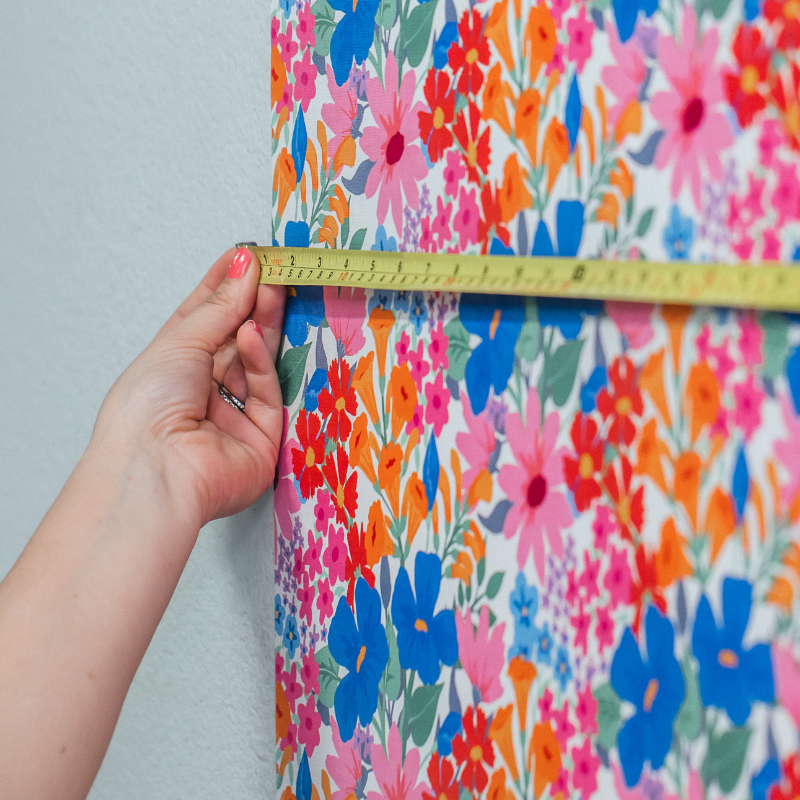
Curious about how to measure or remove peel-and-stick wallpaper? Check out our handy how-to section.

Wallpapering a bathroom might sound intimidating. But with the right material and a little patience, it's 100% doable. (Even if you've never hung a panel before!) If you want to practice the process first, try wallpapering the back of a cabinet door or check out other creative ways to use wallpaper in your bathroom before tackling a full wall.

Curious about how to measure or remove peel-and-stick wallpaper? Check out our handy how-to section.

Caroline Bohne, Owner of Funky Paper Co Wallpaper | Women-owned small business

Caroline Bohne

Caroline Bohne

Caroline is the owner of Funky Paper Co. What began as a creative outlet is now a full-blown wallpaper wonderland specializing in patterns that are hand-drawn, high-quality and always a little bit funky.

Caroline is the owner of Funky Paper Co. What began as a creative outlet is now a full-blown wallpaper wonderland specializing in patterns that are hand-drawn, high-quality and always a little bit funky.

Linen has landed! With a woven-backing and easy-to-clean finish, here's everything to know about this soft, luxurious wallpaper.

  • 8 min read

Browse 12 artist-designed gender-neutral patterns for your nursery. From cute safari animals to colorful sunshine motifs.

  • 7 min read

As seen on the Today Show: The coastal grandma decor trend taking chinoiserie and toile to the next level. Here's what it is and how to get the look.

  • 7 min read